
To start a land clearing business, you need one reliable machine setup (usually a compact track loader with a forestry mulching head), a truck and trailer, general liability and equipment insurance, whatever business registration and permits your state and county require, and a steady way to get the phone ringing. Most owners can get started for roughly $100,000 to $250,000 with used equipment, and the ones who turn a profit are the ones who price by the job, not by hope, and market before they need the work.
This guide is written for the operator who is serious about it: maybe you run equipment for someone else now, maybe you already do some brush work on the side. Below is what to buy, what it costs, how to price, and how to fill the schedule so the machine is earning instead of sitting.
Is a Land Clearing Business Worth Starting?
Yes, for the right operator in the right market. Demand for land clearing tends to follow new construction, rural land sales, ranch improvement and fire mitigation, and none of those are going away in most of the country.
The catch is that equipment is expensive and the work is seasonal in a lot of regions. The owners who struggle are usually not bad operators. They are good operators with a big note payment and no consistent source of jobs. Before you buy anything, be honest about three things:
- Your market. Is there active building, land buying or ranch work within an hour of you? Rural counties on the edge of growing metros are often the sweet spot.
- Your cash cushion. Plan on several slow months in year one. Having three to six months of payments and insurance set aside keeps a slow stretch from turning into a sold machine.
- Your willingness to sell. Running the machine is half the business. Answering the phone, walking properties and following up on quotes is the other half.
What Equipment You Need to Start a Land Clearing Business
Most new owners should start with a compact track loader and a forestry mulching head, because it handles the widest range of jobs with the lowest buy-in. A dozer or excavator makes sense when your market is mostly heavy clearing, root raking and site prep.
Here is how the common setups compare:
- Compact track loader (skid steer) + mulching head. The most popular starting rig. It mulches brush and small trees in place, leaves a clean finished look, and can swap to a grapple, root rake or bucket. Best for lot clearing, fence lines, trails, cedar and brush, and fire mitigation.
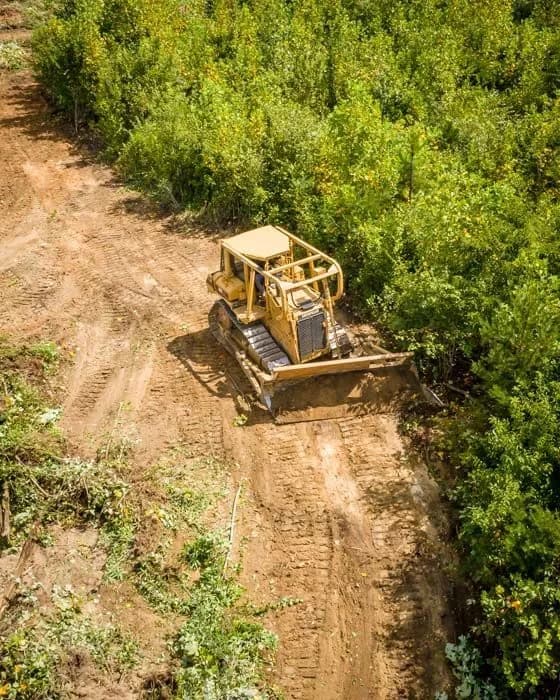
- Dozer. Better for pushing timber, heavy stump work, pad building and grading. Leaves piles you will have to burn, grind or haul, so factor disposal into every bid.
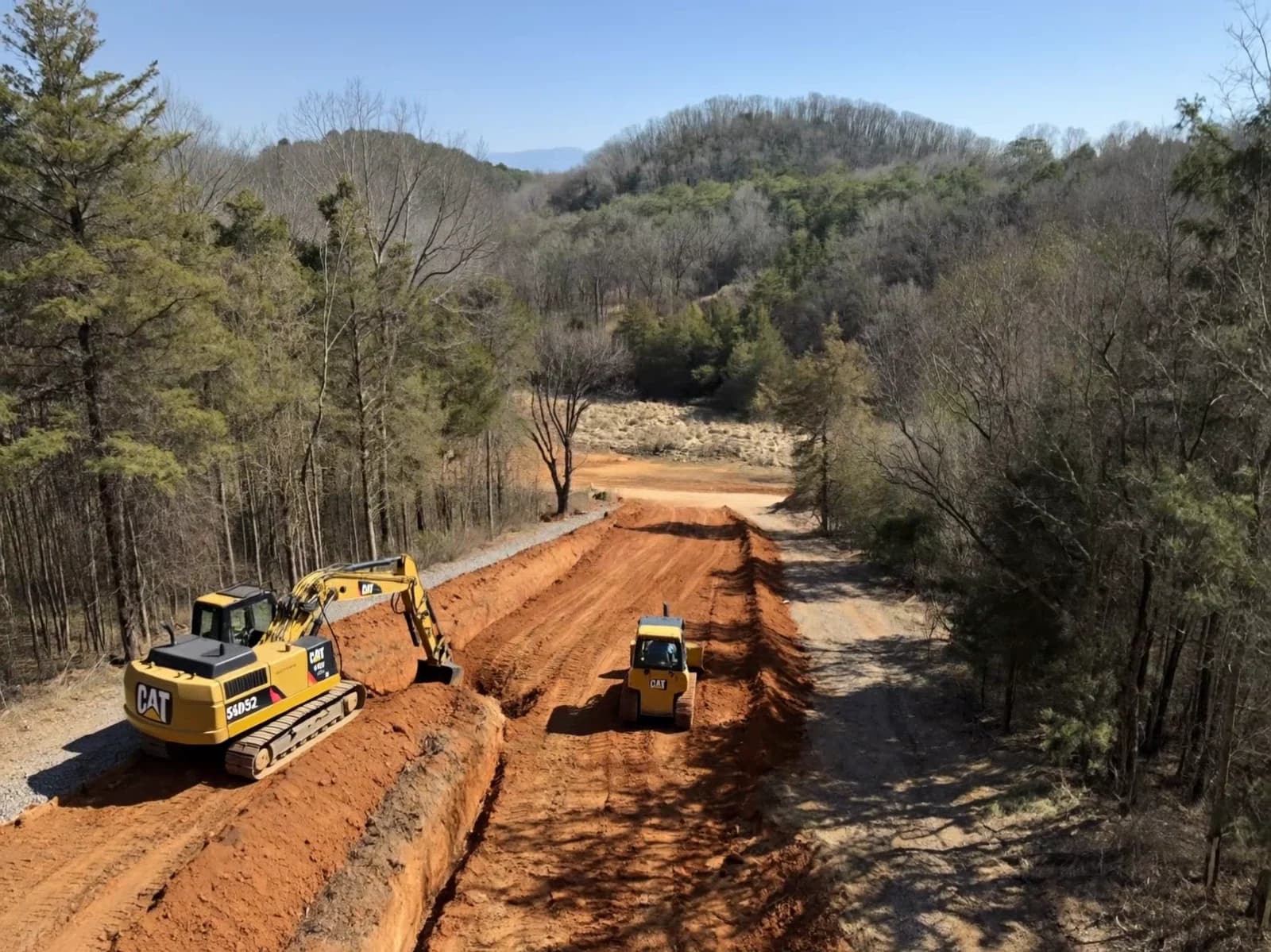
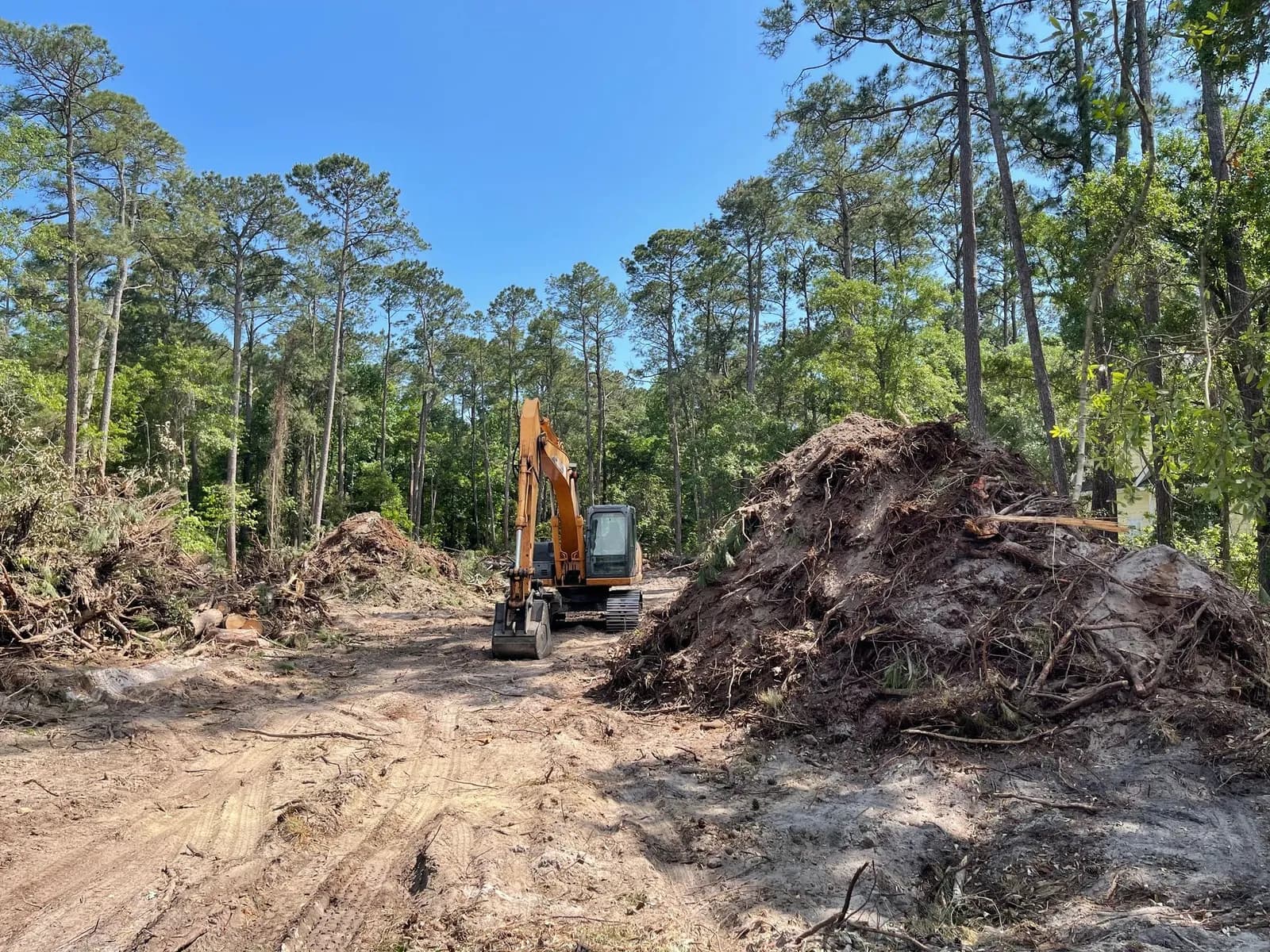
- Excavator with thumb. Great for stumps, selective tree removal, pond and drainage work, and loading trucks. Pairs well with a dozer or CTL as a second machine.
- Dedicated tracked mulcher. High production on big acreage and right-of-way work, but a much bigger investment. Most owners grow into one rather than start with one.
Do not overlook the support gear: a heavy-duty truck, a gooseneck or tag trailer rated for your machine, a fuel setup, spare teeth, a chainsaw and basic safety gear. Downtime kills profit, so budget for maintenance from day one.
How Much It Costs to Start a Land Clearing Business
Startup costs for a land clearing business commonly run from about $100,000 on a lean used setup to $400,000 or more for new equipment. Prices vary a lot by region, brand, hours and the used market, so treat these as rough planning ranges, not quotes.
| Item | Used (rough range) | New (rough range) |
|---|---|---|
| Compact track loader (high-flow) | $40,000 to $80,000 | $80,000 to $130,000 |
| Forestry mulching head | $15,000 to $35,000 | $25,000 to $60,000 |
| Mid-size dozer | $60,000 to $150,000 | $200,000 and up |
| Truck (3/4 ton to 1 ton) | $30,000 to $60,000 | $60,000 to $90,000 |
| Equipment trailer | $8,000 to $20,000 | $15,000 to $35,000 |
| Insurance (first year) | Often $4,000 to $10,000+, varies by coverage and state | Often $6,000 to $15,000+, higher equipment values cost more to insure |
| Registration, permits, website, basic marketing | Often a few thousand dollars | Often a few thousand dollars |
A few things that keep startup costs from sinking you:
- Buy for your market, not your ego. A clean used CTL and mulcher that runs every day beats a new dozer that sits.
- Get a pre-purchase inspection on any used machine, and pull the hour meter and service records.
- Keep the payment small enough that two or three jobs a month covers it.
Insurance, Licensing and Permits
At minimum, plan on general liability insurance, commercial auto, and inland marine (equipment) coverage, plus workers' comp once you hire. Licensing and permit rules vary by state, county and even city, so check locally before you take your first paid job.
Things to look into where you operate:
- Business registration. Most owners set up an LLC and get an EIN. Talk to an accountant about the right structure for you.
- Contractor licensing. Some states and counties require a contractor license for land clearing, grading or site work, and some do not. It often depends on job size and whether you are moving dirt.
- Burn permits and disposal rules. If you burn piles, local burn bans and permits apply. Hauling and dumping rules vary too.
- Erosion control and wetlands. Clearing near creeks, wetlands or on larger acreage can trigger state or federal rules. When in doubt, ask the landowner to confirm before you start.
- Call before you dig. Use your state's 811 service before any ground disturbance.
Many builders, developers and public agencies will ask for a certificate of insurance before you set foot on a job. Have one ready, because it makes you look like the established company they want to hire.
How to Price Land Clearing Jobs
Price land clearing by the job, based on acreage, vegetation density, terrain, access and what the customer wants left behind. Most operators quote per acre or per day, with a minimum charge to cover mobilization.
Pricing varies widely by region, vegetation density and terrain. Light brush mulching on open, flat ground and heavy wooded clearing with stump removal and debris disposal are very different jobs, and the price gap between them can be large. For current market rates you can share with customers, see our guide on how much it costs to clear land.
To protect your margin on every bid:
- Know your true hourly cost. Add up machine payments, insurance, fuel, wear parts, maintenance, labor and overhead, then divide by realistic billable hours. Many owners are shocked by this number.
- Walk the property or get video. Pricing from a satellite map alone is how you lose money on hidden hardwoods, rock and wet ground.
- Charge for mobilization. Hauling the machine 60 miles is real cost. Build it in or set a minimum job size.
- Put the scope in writing. State what size material gets mulched, what happens to stumps, and what "done" looks like.
How to Find Your First Land Clearing Jobs
Your first jobs usually come from people who already know you: friends, neighbors, past employers and local builders. Use those early jobs to collect photos, video and reviews, because that proof is what wins the next 50.
- Builders and realtors. Custom home builders need lots cleared and pads ready. Rural realtors need overgrown listings opened up so buyers can see the land.
- Ranchers and landowners. Fence lines, pasture reclamation, cedar and brush control, and trails are steady work in many areas.
- Other contractors. Excavators, fence builders, pool companies and septic installers often need clearing done before they can start.
- Bid work. Public and utility contracts can be good volume once you are established, but they usually require insurance, bonding and a track record.
- Google Business Profile. Set it up the day you register the business. It is free and it is where a lot of local "land clearing near me" calls come from.
On every job, film a before, during and after clip from the same spot. That footage becomes your best advertising.
How to Market a Land Clearing Business
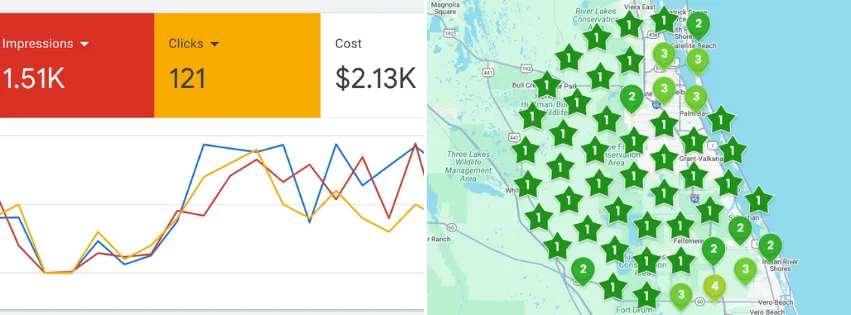
The most reliable way to market a land clearing business is a simple website, a strong Google Business Profile and video-led Facebook ads that put your machine in front of landowners in your service area. Word of mouth is great, but it is not something you can turn up when the schedule is empty.
A practical marketing stack for a new owner looks like this:
- A fast, clear website with your services, service area, photos and a quote form. A contractor website built for calls does more than a pretty one.
- Google Business Profile with real job photos and a steady stream of reviews.
- Facebook ads with before-and-after video. Landowners scroll Facebook, and nothing sells clearing like watching a mulcher turn a wall of brush into open ground.
- Fast follow-up. Call new leads within minutes, not days. Speed often matters more than price.
If you want help building that system, our land clearing marketing programs are built only for dirt-world contractors, and mulching operators can see our forestry mulching marketing approach. For one example of what steady leads can do early on, 4W Land Management bought its first dozer 30 days after working with us.
Get Your Land Clearing Business Off to a Strong Start
Buying the machine is the easy part. Keeping it busy at a profitable price is what separates a real land clearing business from an expensive hobby. If you want a plan for filling your schedule with the jobs you actually want, let's talk.
Book a free strategy call and we will walk through your market, your equipment and where your best jobs are likely to come from.
Frequently Asked Questions
How much does it cost to start a land clearing business?
Many owners start for roughly $100,000 to $250,000 using a used compact track loader, mulching head, truck and trailer. Buying new equipment or adding a dozer can push startup costs to $400,000 or more. Insurance, registration and basic marketing add several thousand dollars on top of equipment.
Is land clearing a profitable business?
It can be very profitable when your pricing covers your true hourly cost and your machine stays busy. The biggest profit killers are underbidding, downtime and slow months with no work lined up. Owners who track costs and market consistently tend to do best.
What is the best machine to start a land clearing business?
For most new owners, a high-flow compact track loader with a forestry mulching head is the most versatile starting rig. It handles brush, small trees, fence lines and lot clearing with one machine. A dozer or excavator makes more sense if your market is mostly heavy timber, stumps and site prep.
Do I need a license to clear land?
It depends on your state, county and the type of work. Some areas require a contractor license for clearing or grading, and burn permits, erosion control and wetland rules may also apply. Check with your state licensing board and local county office before taking paid work.
How much do land clearing companies charge per acre?
Pricing varies widely by region, vegetation density and terrain, so there is no single per-acre number that fits every market. Light brush mulching costs far less per acre than heavy wooded clearing with stump removal and debris disposal. Most operators also set a minimum charge to cover hauling the machine, and our land clearing cost guide lists current market rates.
How do I get customers for my land clearing business?
Start with builders, realtors, ranchers and other contractors you already know, then build a Google Business Profile and collect reviews. Video-led Facebook ads and a simple website with a quote form help you reach landowners who do not know you yet. Following up on every lead quickly makes a big difference.