The Complete Guide to Excavation: What Every Central Texas Property Owner Needs to Know
Excavation in construction means the process of moving earth, rock, or other materials to prepare a site for building, drainage, or land improvement. It's the first physical step on almost every property project — and how well it's done determines whether everything built on top of it lasts. Here's what to expect, what equipment is involved, and when you need a professional.
Why Excavation Comes Before Everything Else
Before a foundation gets poured, a barn goes up, or a pond takes shape, the ground beneath it has to be prepared correctly. Excavation creates the stable, properly drained base that everything else depends on.
Most property owners don't realize that skipping or rushing excavation is one of the most expensive mistakes in construction. A site that isn't excavated to the right depth, with the right slope and compaction, will shift, settle, and flood. Fix it after the fact and you're often tearing out finished work to get back to the soil.
In Central Texas, the stakes are even higher. The region's caliche layers, rocky limestone, and clay-heavy soils behave differently from one property to the next — and sometimes from one end of the same lot to the other. An excavator who doesn't understand local soil conditions is guessing.
Did You Know? Caliche — the hardened calcium carbonate layer common throughout Burnet County — can be nearly as hard as rock in well-developed formations, presenting real challenges for excavation equipment. Experienced local crews plan for it before the first pass.
The Main Types of Excavation
Excavation in construction isn't one single task. The type of excavation needed depends on the project goal.
Site Excavation clears the full footprint of a build area. Trees, stumps, topsoil, and vegetation come out, and the land is shaped to the rough elevations the project requires. This is where most residential and agricultural builds begin.
Trench Excavation cuts long, narrow channels for utilities — water lines, electrical conduit, septic systems, and drainage pipe. Depth and width requirements vary by what's being installed. For everything related to underground utility and drainage work, a good contractor coordinates professional trenching services alongside site excavation to keep the project moving on a single mobilization.
Footing Excavation digs precise trenches or pads to the depth and dimensions required for foundation footings. This work has to match engineering drawings exactly — it's not the place for eyeballing.
Pond Excavation is its own category entirely. Building a stock tank or fishing pond requires a specific sequence: soil testing, topsoil removal, basin shaping, clay compaction for water retention, and spillway installation. TexTerra's pond excavation and construction team handles the full process, from site selection through final seeding.
Cut and Fill is the process of moving material from high spots on a property to fill low ones. It's common on uneven Texas ranch land and can dramatically improve usability and drainage without trucking in additional material.
Pro Tip: On most rural Central Texas properties, cut-and-fill earthwork can solve drainage problems and level usable acreage at the same time. If you're planning to build, it's worth having an excavator walk the full property before scoping just the build pad.
What Equipment Does the Job
The equipment on site tells you a lot about whether a contractor is matched to the work.
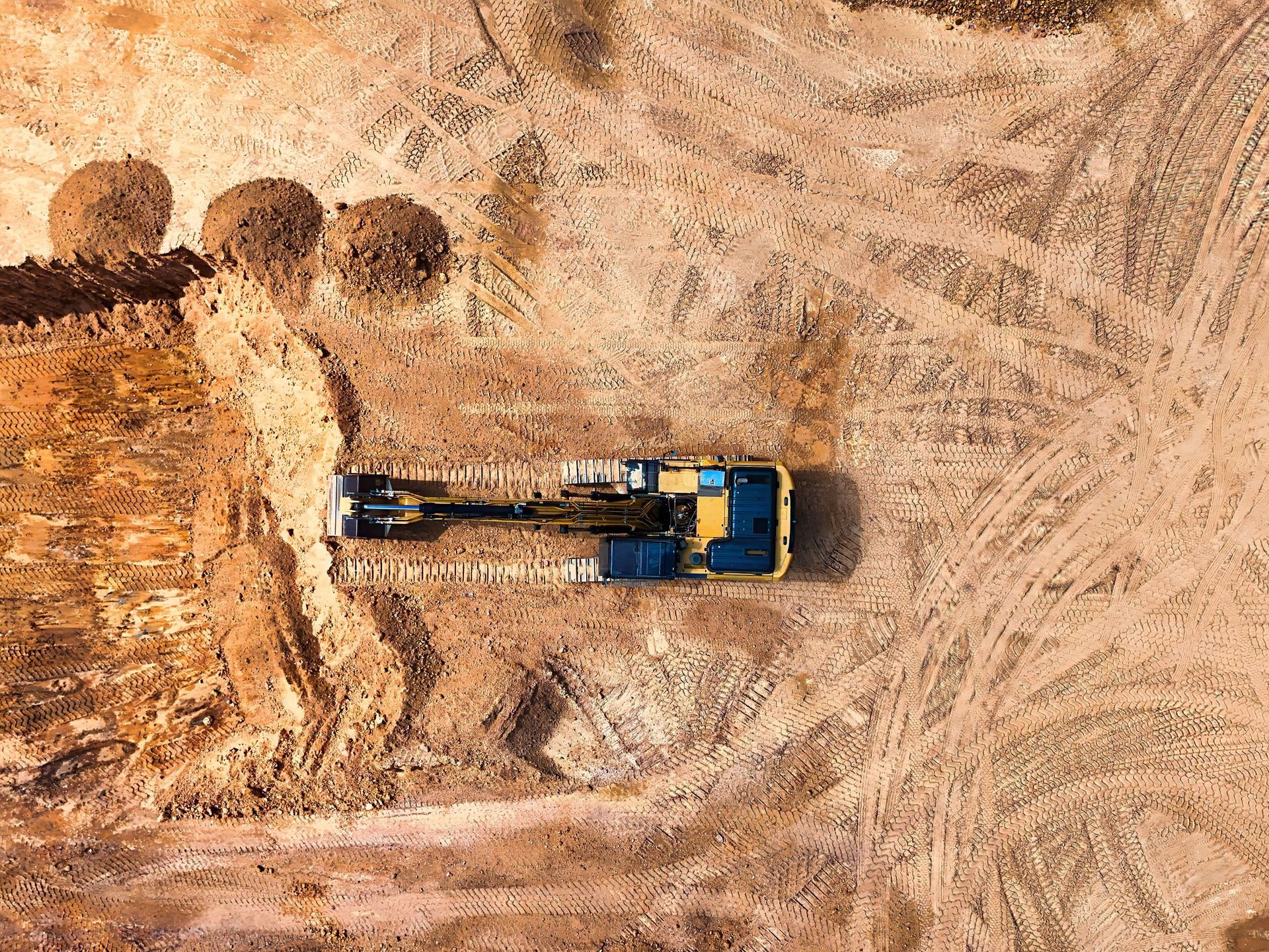
A track excavator is the core machine for most site and footing work. The boom, arm, and bucket combination gives it the reach and digging force to handle caliche and limestone that would slow or stop lighter equipment. Mini excavators do the same job in tighter spaces — near existing structures, inside fenced pastures, or on access-restricted lots.
Bulldozers move large volumes of earth across a site quickly. They're essential for rough grading and cut-and-fill work on larger properties.
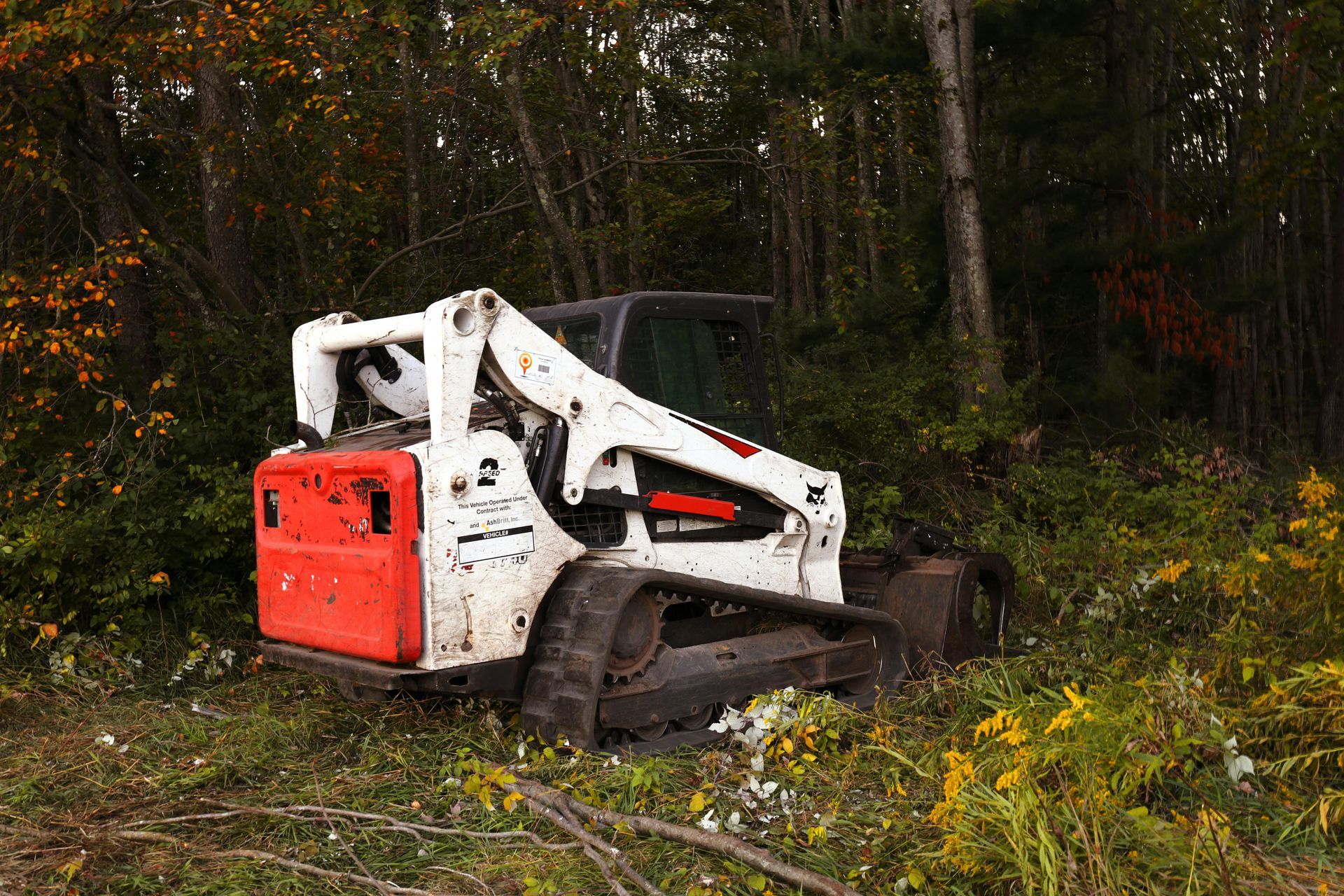
Skid steers are versatile machines that handle material loading, final grading cleanup, and work in areas where a larger machine would cause too much ground disturbance.
Motor graders bring precision to finish grading — creating the final slopes and elevations before concrete, gravel, or sod goes down. The land grading and site preparation process typically moves from excavator to grader as the project gets closer to finished grade.
Compactors — whether drum rollers or plate compactors — are the final step before any surface goes down. Uncompacted soil settles. Properly compacted subbase doesn't.
Did You Know? One of the most common causes of cracked driveways and heaving foundations in Central Texas isn't the soil itself — its subbase that wasn't adequately compacted before the surface was placed.
Step-by-Step: What Happens on a Professional Excavation Project
Understanding the sequence helps you plan your project timeline realistically.
Step 1 — Site Assessment. Before any equipment rolls onto your property, a qualified contractor walks the site. They're looking at existing drainage, access constraints, vegetation that needs to come out, and soil conditions that could affect the approach. In Central Texas, this is also when experienced contractors identify caliche depth and rock presence.
Step 2 — Call 811. Texas law requires you to contact 811 at least two business days before any mechanical digging begins. This triggers utility marking so buried lines are located and flagged. No professional excavator starts without this step.
Step 3 — Clearing and Topsoil Removal. Vegetation, brush, and topsoil come off first. Topsoil is organic and compressible — it has to be stripped from any area that will support a structure or a hardened surface.
Step 4 — Rough Excavation. The site is cut to the required subgrade elevation. Material is either stockpiled for reuse (cut-and-fill) or hauled off, depending on the plan. This is the heavy earthmoving phase.
Step 5 — Subbase Grading and Compaction. Once rough cuts are made, the subbase is shaped to the required slopes, moisture-conditioned if needed, and compacted in lifts. Skipping this step is the most common cause of long-term failure.
Step 6 — Final Inspection and Site Prep Handoff. The excavator confirms elevations meet specs, drainage patterns are correct, and the site is ready for the next trade — whether that's a foundation crew, a concrete contractor, or a pond construction team.
Pro Tip: Ask your excavator to walk final grades with a level or laser before they leave the site. A quick check on slope and elevation while the equipment is still there costs nothing. Fixing it after the concrete truck has come and gone costs a lot.
5 Signs Your Property Needs Excavation Before You Build
Not every property needs major earthwork. But here's when you almost certainly do:
Poor drainage is the most obvious signal. If water pools on your site during heavy rain or drains toward where you plan to build, the site needs to be regraded before any construction begins. Improper drainage causes foundation movement, flooding, and erosion that compound over time.
Uneven terrain on a proposed build site is a second clear indicator. Building on an unlevel pad — even one that looks close enough — creates structural problems. Excavation brings the site to the required elevation.
Rocky or unstable surface soil means you likely have limited depth of workable material before hitting caliche or limestone. An excavator can assess whether the substrate is buildable as-is or needs to be cut and replaced.
Planned utilities trigger trench excavation before any surface work begins. Installing water, sewer, or electrical underground after a site is built out is exponentially more expensive and disruptive.
Land you've recently acquired with no prior development history almost always benefits from a professional site assessment before any building plan is finalized. What looks like a clean flat pasture can have drainage patterns, clay pockets, or rock formations that change the scope of the project.
What to Ask Before You Hire an Excavation Contractor
Questions that separate experienced local crews from generalist operators:
Do you have experience with caliche and limestone in this part of Central Texas? The answer should be yes, with specifics.
What's your process if you hit rock mid-project? There should be a clear answer: they'll assess depth, present options, and discuss cost impact before continuing.
Are you familiar with Burnet County permit requirements and 811 procedures? Reputable contractors handle the prep work, not just the digging.
Do you carry general liability insurance? Always verify this before equipment hits your property.
Working with TexTerra on Excavation Projects
TexTerra Solutions is a veteran-owned excavation and site services company based in Bertram, TX, serving property owners, ranchers, and builders throughout Burnet, Lampasas, Bell, Travis, Williamson, and surrounding counties.
Colton Cunningham — a Texas A&M Construction Science graduate and U.S. Marine Corps veteran — brings both field experience and construction knowledge to every project assessment. That combination matters when a property has complex soil conditions, drainage challenges, or a build plan that needs to integrate excavation with grading, trenching, and pond work in a single coordinated scope.
Every project starts with a free site visit, a clear estimate, and a realistic timeline. No surprises, no guesswork.
Ready to move forward? Contact TexTerra Solutions for a free estimate and site assessment — and get your excavation project planned the right way from the start.
Frequently Asked Questions About Excavation in Construction
What is excavation in construction?
Excavation in construction is the process of removing earth, rock, or other materials from a site to prepare it for building, drainage, or land improvement. It creates the stable, correctly graded subbase that foundations, utilities, and surfaces depend on. Almost every construction or land development project begins with some form of excavation.
How long does excavation take for a typical project?
The timeline depends heavily on project scope and soil conditions. A residential foundation pad typically takes one to three days, while full site preparation for a custom home may take a week or more. In Central Texas, encountering caliche or limestone can extend timelines if rock removal or alternative methods are required.
What types of excavation are used in construction?
The main types include site excavation (full area clearing and grading), trench excavation (for utilities and drainage), footing excavation (for foundations), pond excavation, and cut-and-fill earthwork. The method used depends on the project's purpose, the soil conditions, and the engineering specifications for the build.
Do I need a permit for excavation in Texas?
Texas law requires you to contact 811 at least two business days before any mechanical digging begins, so buried utilities can be located and marked. Permit requirements beyond that vary by project type, scope, and county — foundation work, utility installation, and certain grading projects may each carry their own requirements. A qualified local contractor can guide you through what applies to your specific project in Burnet County.
What's the difference between rough grading and finish grading?
Rough grading establishes the site's basic shape and elevation by moving large amounts of earth. Finish grading refines that surface to precise slopes and elevations just before construction begins. Both phases are part of a complete land grading and site preparation process and are typically needed on any new build project.
Featured Resources
Check Our Latest Resources