
Excavation contracts come from home builders, general contractors, developers, public bid boards, utilities and private property owners who need dirt work done. You win them by getting in front of those buyers before the job is bid, being easy to work with on paperwork and safety, pricing from your real costs, and building a steady stream of inbound leads so you are never desperate enough to lowball.
Below is a practical breakdown of where the work is, how each type of customer buys, and what you can do this month to get more of it.
Where Excavation Contracts Come From
Most excavation contracts come from a handful of customer types, and each one buys differently. Builders and GCs want reliability and speed, public agencies want the lowest qualified bid, and private owners want someone they trust to show up and do it right.
| Source | Typical work | How they buy | What wins it |
|---|---|---|---|
| Home builders | Pads, footings, basements, utilities, driveways | Ongoing sub relationships, quick quotes | Showing up on schedule, fair pricing, clean sites |
| General contractors | Commercial site work, foundations, utilities | Invited bids, prequalified sub lists | Insurance, safety record, accurate bids |
| Developers | Subdivisions, roads, detention ponds, mass grading | Bids and negotiated contracts | Capacity, bonding, track record |
| Municipal and state agencies | Roads, drainage, water and sewer, parks | Public bid boards, sealed bids | Low qualified bid, bonding, compliance |
| Utilities | Trenching, line work, right-of-way | Master service agreements, contractor programs | Safety programs, crews, availability |
| Farms, ranches and landowners | Ponds, lakes, drainage, roads, clearing | Search, referrals, a few quotes | Trust, reviews, clear communication |
| Homeowners | Septic, driveways, drainage, pools, site prep | Google, Maps, referrals | Fast response, reviews, photos of past work |
You do not need to chase all of them. Pick two or three that fit your equipment, crew size and cash flow, then go deep. A two-machine company usually wins more by owning builders and private owners in its area than by bidding against large firms on public work.
How to Get Dirt Work Jobs From Builders and General Contractors
Builders and GCs hire the dirt contractor they trust to hit the schedule, not always the cheapest one. Get on their radar with a short introduction, prove yourself on a small job, and then make yourself the easiest sub they have.
- Make a target list. Look at who is pulling permits in your area, who has signs on new lots and which GCs are building the commercial projects you see going up.
- Ask for the right person. For builders, that is often the owner or construction manager. For GCs, it is usually the estimator or project manager who builds the bid list.
- Bring a one-page capability sheet. List services, equipment, service area, insurance limits, license numbers and a few job photos.
- Ask to bid the next job, even a small one. A clean first job is the best sales pitch you have.
- Respond fast. A quote back in a day or two beats a slightly lower quote that takes a week.
Once you are on a builder's crew, protect it. Call before you are late, flag problems early (rock, water, utility conflicts) and leave the lot ready for the next trade. Builders talk to each other, and a good reputation spreads fast.
Bidding on Public and Municipal Excavation Contracts
Public excavation contracts are posted on city, county and state bid boards and are usually awarded to the lowest responsive, responsible bidder. They can bring big, steady work, but they come with bonding, paperwork and payment rules you need to be ready for.
To get started with public work:
- Register as a vendor with your city, county and state procurement offices, and check your state DOT for contractor prequalification requirements.
- Watch bid boards and plan rooms. Many agencies post bids on their own websites, and some use regional bid services. Set up alerts for your work categories.
- Start small. Drainage repairs, culvert replacements and small utility jobs are a good way to learn public bidding without betting the company.
- Line up bonding early. Many public jobs need bid, performance and payment bonds. Talk to a surety agent before you need one, because approval depends on your financials and history.
- Read the specs completely. Prevailing wage, certified payroll, testing, traffic control and erosion control requirements all affect your price.
Rules for public contracting vary by state and agency, including whether you need a specific license or classification, so confirm requirements with the agency before you bid. Also review bid results after each letting. Seeing who won and at what price teaches you a lot about your market.
Getting Prequalified So You Get Invited to Bid
Prequalification is how GCs, developers and agencies decide which contractors are allowed to bid. If you are not prequalified, you often never see the job. Getting your paperwork in order is one of the fastest ways to see more excavation contracts.
A typical prequalification package asks for:
- Company information, years in business and ownership
- Contractor license numbers, where required
- Certificates of insurance with limits for general liability, auto, workers' compensation and umbrella coverage
- Safety information, such as your written safety program and experience modification rate (EMR) if you have one
- Equipment list and crew size
- Project history with references
- Bonding capacity and a letter from your surety, for larger work
- Financial statements, for bigger contracts
Build this package once, keep it current and send it the same day someone asks. Many small contractors lose work simply because they take two weeks to send an insurance certificate.
How to Bid Excavation Jobs Without Lowballing
Win on value and reliability, not on being the cheapest. Price every job from your real costs, spell out your scope and exclusions, and walk away from work that only pencils out if nothing goes wrong.
Lowballing feels like a way to get in the door, but it usually trains customers to expect low prices and leaves you with no cushion when you hit rock or water. A better approach:
- Know your true hourly cost for each machine, including payments, insurance, maintenance, fuel, operator wages and overhead, based on hours you actually bill.
- Do careful takeoffs. Check cut and fill quantities, haul distances, dump fees and access. Visit the site whenever you can.
- List exclusions clearly. Rock, unsuitable soils, dewatering, utility relocations, permits, testing and haul-off are common ones.
- Offer options. A base price plus add-ons (like extra gravel or erosion control) lets the customer choose without you cutting your margin.
- Sell what makes you different. Schedule availability, crew experience, communication and clean sites are worth real money to a builder who has been burned.
- Track your win rate. Winning almost every bid often means you are too cheap. Winning almost none can mean you are bidding the wrong work or the wrong customers.
Turning One Job Into Repeat Excavation Work
The most profitable excavation contracts are usually the second, third and tenth jobs from the same customer. Repeat work cuts your selling cost, shortens estimating time and lets you plan your schedule.
- Follow up after every job. A quick call to ask how things went and when the next project starts keeps you top of mind.
- Ask for referrals and reviews. Builders know other builders. Homeowners know neighbors with drainage problems and future ponds.
- Stay in touch during slow seasons. A short check-in or a list of open dates can fill a gap in your schedule.
- Partner with other trades. Septic installers, concrete contractors, pool builders, fence companies and surveyors all run into dirt work they do not do themselves.
- Use a simple CRM. Even a basic system that tracks quotes, follow-ups and past customers keeps leads from slipping through the cracks.
Inbound Leads: How to Get Excavation Jobs From Google and Ads
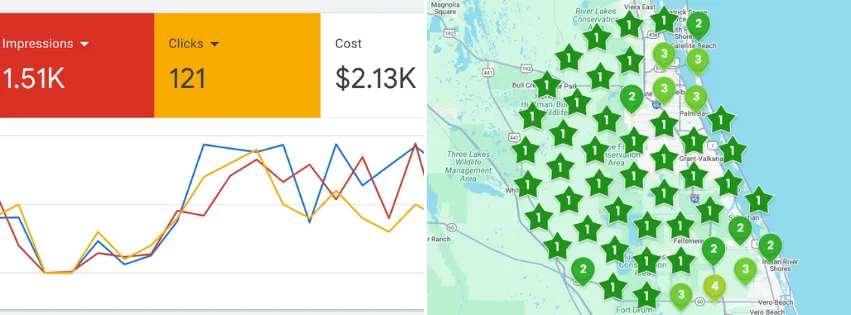
Inbound marketing brings excavation jobs to you instead of you chasing them. When a landowner, homeowner or small builder searches for "excavation contractor near me," you want to show up in Google Maps and search results with good reviews and a website that makes calling you easy.
The main channels that work for dirt contractors:
- Google Business Profile and Maps. Complete profile, real job photos, accurate service areas and a steady flow of reviews.
- Local SEO. Service pages for each kind of work you want (ponds, site prep, septic, driveways, drainage) and pages for the towns you serve.
- Google Ads and Local Services Ads. Paid search lets you show up for high-intent searches right away and turn volume up or down. Our PPC marketing for contractors focuses on the bigger, higher-margin jobs, not tire-kickers.
- Facebook ads. Useful for reaching rural landowners in your area with photos and video of ponds, clearing and site work.
Inbound leads can bring in contracts you would never find on a bid board. All Seasons Excavating made $125K in profit on a $500K lake build that came from leads we generated, and Kingdom Land & Construction landed a $1.2M contract. That is the kind of private work that rarely shows up anywhere public. If you want to see how we set this up for dirt contractors, here is our approach to excavation leads and marketing. If you are still setting up the company, start with our guide on how to start an excavation business.
Ready to Win More Excavation Contracts?
Blue Goat Land Leads has focused on land clearing, excavation, demolition and forestry mulching contractors since 2016. We build the websites, Maps rankings and ad campaigns that bring in the dirt work you actually want, and our clients average 5x to 15x ROI.
Let's look at your market, your equipment and the jobs you want more of. Book a free strategy call and we will map out where your next contracts can come from.
Frequently Asked Questions
How do I get excavation contracts as a new company?
Start with small builders, remodelers and private landowners who value reliability over a long track record. Set up your Google Business Profile, build a prequalification package with your insurance and license details, and ask to bid small jobs to prove yourself. Public work and large GC contracts usually come later, once you have bonding and references.
Where can I find excavation jobs to bid on?
Look at city, county and state procurement websites, your state DOT, regional plan rooms and bid services, and GC bid invitations. For private work, builders pulling permits, developers and landowners searching Google are good sources. Registering as a vendor with local agencies gets you bid notices directly.
How do I get dirt work jobs without lowballing?
Price from your real equipment and labor costs, include clear exclusions and offer options instead of cutting your base price. Sell reliability, fast response and clean job sites, which builders and owners will pay for. Building inbound leads also helps, because you can turn down jobs that do not make sense.
Do I need a bond to get excavation contracts?
Many public projects and larger commercial jobs require bid, performance and payment bonds, and some states require a license bond. Smaller private jobs usually do not. Requirements vary by state and project, so talk to a surety agent early about your bonding capacity.
What is excavation prequalification?
Prequalification is a review that GCs, developers and public agencies use to decide which contractors can bid. It usually covers insurance, licensing, safety record, equipment, experience, references and sometimes financials and bonding. Keeping a ready-to-send package helps you get on more bid lists.
Can Google Ads help me get excavation jobs?
Yes, Google Ads and Local Services Ads can put you in front of people actively searching for excavation services in your area. The key is targeting the job types and locations you want and tracking which leads turn into paying work. Done well, paid search can bring in private contracts that never appear on public bid boards.